
Posted by Rob Whalley
Managing Scientific Equipment in a CAFM Software System
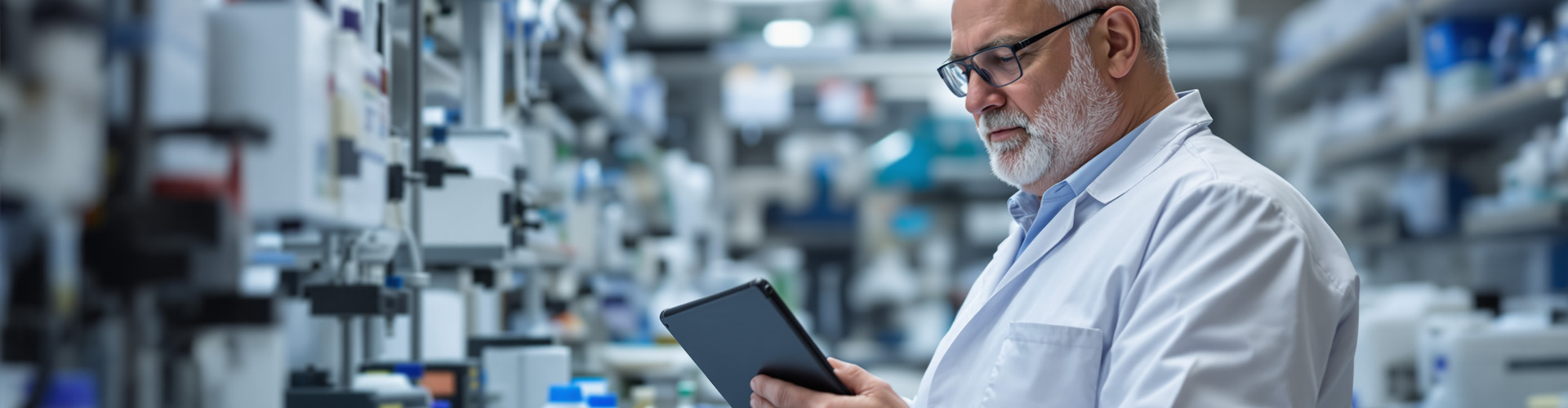
Scientific equipment is at the heart of many research, healthcare, and industrial environments. Whether it’s a high-precision microscope, a spectrometer, or laboratory testing apparatus, these assets represent significant financial investment and are vital for accurate, reliable results. Managing them efficiently is critical — and this is where a Computer-Aided Facilities Management (CAFM) system becomes an indispensable tool.
Treating Equipment as Assets
In a CAFM system, every piece of scientific equipment is logged as an asset. This centralised asset register holds key details such as:
- Manufacturer, model, and serial number
- Date of purchase and warranty information
- Supplier and support contact details
- Technical specifications and operating manuals
- Associated compliance documentation
By maintaining a single source of truth, organisations can easily track lifecycle costs, plan replacements, and prove compliance during audits.
Calibration and Service Management via PPMs
Accuracy is everything in scientific work — and that means regular calibration is non-negotiable. CAFM systems enable Planned Preventive Maintenance (PPM) schedules to be created for each asset, ensuring:
- Calibration dates are set at required intervals
- Automated reminders are sent to responsible teams
- Service records are logged for compliance and traceability
- External service provider visits are scheduled and monitored
This not only reduces downtime but also supports regulatory compliance (e.g. ISO/IEC standards, UKAS accreditation).
Loaning Equipment to Named Individuals
In many environments, equipment is shared between departments or loaned to researchers. CAFM software can:
- Record the current custodian or user of each item
- Track loan dates and expected return dates
- Flag overdue equipment returns
- Maintain a full audit trail of usage history
This accountability reduces loss, improves utilisation, and ensures that the right person is responsible for care and return.
Location Tracking for Assets
Knowing where critical equipment is at any given time is essential for operational efficiency and security. CAFM systems can:
- Assign assets to fixed rooms, laboratories, or storage areas
- Update locations dynamically when equipment is moved
- Integrate with RFID/barcode scanners for real-time tracking
- Produce location-based asset reports for quick audits
In large facilities or multi-site operations, this helps avoid costly delays when equipment is needed urgently.
Equipment APIs for Readings and Automated Maintenance Tasks
Modern scientific instruments often generate operational data — from environmental readings to performance metrics. Many CAFM systems can integrate with equipment APIs to:
- Pull live readings directly from connected equipment
- Compare data against pre-defined tolerance thresholds
- Automatically trigger maintenance or calibration tasks when readings fall outside acceptable limits
- Log readings for audit, research, and compliance purposes
- Reduce human intervention by using IoT-enabled, condition-based maintenance
This capability turns the CAFM system into an intelligent monitoring hub, ensuring that issues are detected early and resolved before they cause downtime or compromise data integrity.
Additional Capabilities
A well-implemented CAFM system can go even further in supporting scientific equipment management:
- Condition Monitoring – record equipment performance data to detect early signs of wear or failure
- Inventory & Consumables Management – link spare parts and consumables to specific assets for quick replenishment
- Document Control – store SOPs, calibration certificates, and user guides alongside the asset record
- Integration with Laboratory Information Management Systems (LIMS) – bridge operational and laboratory data for a more complete picture
Conclusion
Managing scientific equipment through a CAFM system brings structure, accountability, and compliance assurance to an often complex process. From asset registration and PPM scheduling to API-driven, condition-based maintenance, it enables organisations to maximise the lifespan, accuracy, and availability of their valuable equipment.
In an environment where precision is everything, having the right tools to manage your tools makes all the difference. For guidance and support in implmenting a CAFM system, please contact sales@tabsfm.com.






























Follow us:
GDPR (Data Privacy)
Disclaimer
COVID-19